
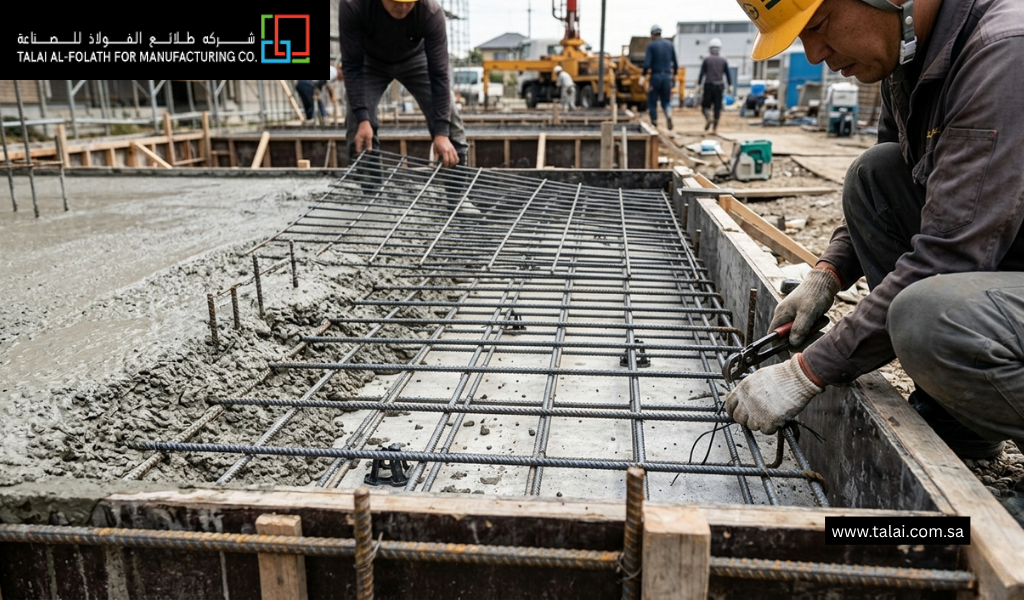
Strength, durability, and longevity are inarguably essential to modern construction. Deformed drawn wire is one specific material that contributes to these features. This is a manufactured product that is extensively used in reinforced concrete structures to improve bonding, minimize cracking, and hold them in place structurally.
If you are a contractor or builder, or sourcing your materials from a trusted steel manufacturer, knowing how this material works could prove useful in making wiser decisions for your projects.
What is Deformed Drawn Wire?
Deformed drawn wire is a steel wire with a specific diameter and mechanical characteristics achieved by the process of treatment forming material drawn wire. It has surface irregularities such as ribs or grooves, as opposed to plain wire. Due to these deformations, the bond between steel and concrete becomes better, which is why it is used in all the structures that are reinforced.
It is often required in construction materials that contain welded wire mesh, precast elements, slab, and pavements.
How Deformed Drawn Wire Improves Concrete Strength and Durability?
Concrete has high compressive strength and low tensile strength Which is where deformed drawn wire comes into play. Its ribbed or textured surface has a greater mechanical interlock with the concrete, decreasing slip at the interface under stress.
When embedded in concrete:
- It spreads out loads throughout the frame
- Minimises shrinkage cracks
- Enhance resistance against vibration/temperature, ranging from external forces
This creates a more robust and long-lasting structure that withstands years of performance in even the most demanding environments.
Types of Wire Drawing Used in Manufacturing
This is how the types of wire drawing processes help in assessing the quality of the product’s state. The most common types include:
- Cold drawing: Increases strength and offers an excellent surface finish
- High Temperature Drawing: Used for big diameters to relieve the internal stress.
- Multi-staged Drawing: Allows for consistency and accuracy
Deformed Drawn Wire consists of several methods combined to give a final performance that allows it to be used for different applications in construction.
Common Wire Drawing Defects to Watch Out For
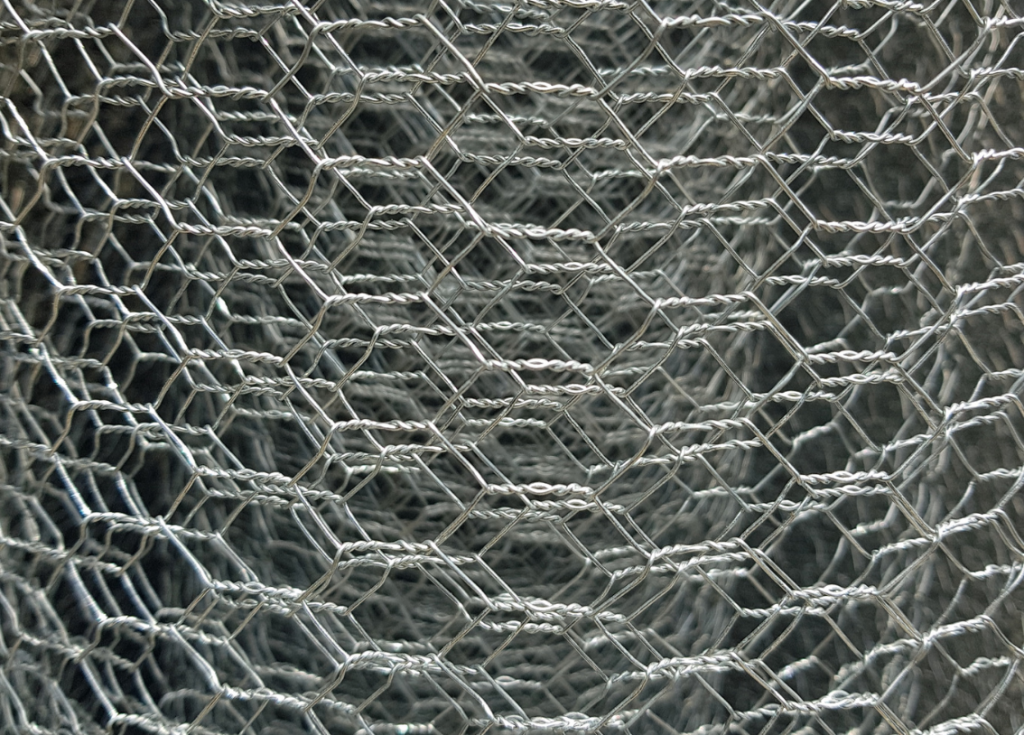
Although it increases strength, poor manufacturing can introduce defects. Wire drawing defects. Some of the common wire drawing defects are:
- Surface cracks
- Diameter inconsistency
- Internal voids
- Poor deformation patterns
Selecting a reputable steel manufacturer will reduce these defects in steel, ensuring high-performance products used in construction with the same level of quality consistently.
Read More: Why Industrial Steel Solutions Are Essential for Construction in Saudi Arabia?
Deformed Drawn Wire vs Plain Wire: What’s the Difference?
The key difference lies in the surface structure and bonding capability.
- Deformed Drawn Wire:
Contains ribs or studs that create a high fracture and mechanically bond to concrete. This improves its load-bearing capacity and decreases cracking
- Plain Wire:
The opposite side has a smooth surface, which makes bonding weaker and more likely to slip at design stress.
For reinforced concrete applications, you should always opt for deformed wire instead due to its better performance and reliability.
Benefits of Using Deformed Drawn Wire in Reinforced Concrete
Benefits of Deformed Drawn Wire:
- Strong Adhesion: Improved bond with concrete provides greater structural soundness
- Control Cracking: Minimizes cracking appearance and propagation
- Cost-Effective: Uses minimal material compared to traditional reinforcement techniques
- This durability is to give them a long-lasting performance level in extreme weather conditions.
- Installation Convenience: Facilitates the construction process and saves time
This makes it one of the most critical parts in modern construction materials.
Applications in Construction
This is utilised in a range of construction projects, such as the following:
- Reinforced concrete slabs
- Road and pavement construction
- Precast concrete products
- Industrial flooring
- Bridges and infrastructure projects
The strength and flexibility of the system is enjoyed by many developers, bringing people back for both big and small developments.
Choosing the Right Steel Manufacturer
The quality of its products mainly depends on the selection of the correct steel manufacturer. Look for manufacturers who:
- Follow strict quality control standards
- Offer consistent wire dimensions and deformation patterns
- Use advanced types of wire drawing techniques
- Provide certifications and testing reports
Working with a trustworthy provider will not only enhance project work but also work towards a long-term and established source of trust and business.
Conclusion
Deformed drawn wire has become an integral part of contemporary construction. The sum of which makes it a better option than regular wire, as it can better promote bonding, reduce cracking, and also improve durability. With awareness of its advantages and by choosing it from a reliable steel manufacturer, you can enhance the strength and durability of your builds significantly.
If you are in the middle of planning your next project and want to, no wait to devote time and investment into high-quality deformed drawn wire, there are measurable benefits of performance and cost efficiency to be gained. So reach out to a reputable supplier today, and make sure your construction lasts a lifetime.
FAQ’s
1. How Deformed Drawn Wire Improves Concrete Strength and Durability?
Deformed drawn wire improves strength by creating a strong bond with concrete through its ribbed surface. This reduces slippage, distributes stress evenly, and enhances durability by preventing cracks and structural weaknesses.
2. Deformed Drawn Wire vs Plain Wire: What’s the Difference?
The main difference is surface texture. Deformed Drawn Wire has ribs for better bonding, while plain wire has a smooth surface, making it less effective in reinforced concrete applications.
3. Benefits of Using Deformed Drawn Wire in Reinforced Concrete
It offers better bonding, crack resistance, durability, and cost efficiency. It also simplifies construction processes and improves overall structural performance.
4. What are common wire drawing defects?
Common wire drawing defects include surface cracks, uneven diameter, and internal flaws. These can impact performance, so it is important to source materials from a reliable steel manufacturer.
5. Where is Deformed Drawn Wire commonly used?
It is widely used in reinforced concrete structures, pavements, industrial floors, precast elements, and infrastructure projects due to its strength and reliability.