
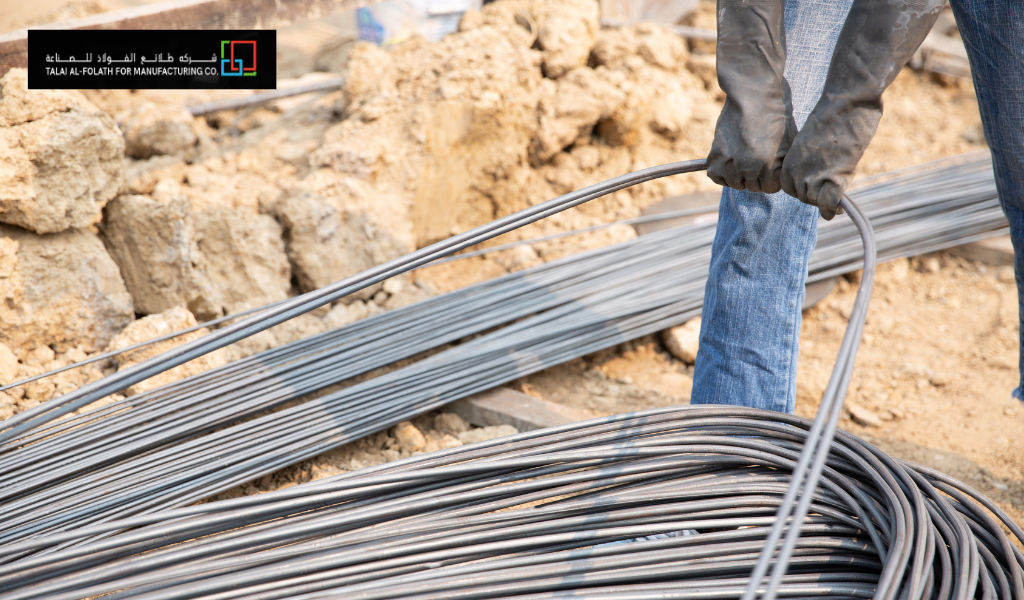
Reinforcement steel bars have certainly crossed your path if you are a construction worker. They are piled onto trucks, lashed together with wire, and buried inside concrete after the job is complete. Roman bars are just the kind of thing you hardly notice after they’ve been put in, despite their huge contribution to making buildings durable and safe.
In this easy-to-understand guide, we’re going to explain everything you need to know about reinforcement steel bars: what they are, why they’re used, the types available, and how builders identify which ones to use for their projects. Whether you’re a building contractor, site supervisor, or just embarking on a new hobby in construction, this guide will break down the fundamentals for you.
What Are Reinforcement Steel Bars?
Rebar, also known as reinforcing steel, is a type of steel bar or mesh of steel wires used in reinforced concrete structures to strengthen and hold the concrete in tension. Concrete is very good at bearing compression (being pushed down) but not so great when it’s being pulled from the sides. That’s where rebar comes in.
Steel has high tensile strength, which means that when it’s embedded in concrete, the two materials complement each other. This mix is called reinforced concrete, and it forms the foundation of modern construction.
Reinforcement bars are used in:
- Building foundations
- Columns and beams
- Slabs and floors
- Bridges and flyovers
- Retaining walls
Concrete structures without steel reinforcement would crack under loads and fail.
The Importance of Reinforcement Steel Bars
Rebar is not just an excess material—it’s vital for a building’s safety. Here’s how reinforcement steel bars work:
Improved Strength and Durability
The concrete that touches the walls has metallic reinforcement to withstand bending, cracking, and stretching. This also makes buildings sturdier, and they can accommodate heavier loads as years pass.
Better Load Distribution
Rebar distributes the weight load evenly throughout the foundation and minimizes stress on specific points, which could potentially cause damage.
Crack Control
As it cures, concrete simply develops tiny cracks. Rebar helps to manage and control these cracks, so structures remain stable and safe.
Earthquake and Weather Resistance
In earthquake-sensitive zones and regions subject to extreme weather, reinforced concrete does far better than plain old concrete.
Different Types of Rebars Used in Construction
All reinforcement bars are not the same. Builders use one type or another, depending on the job, the budget, and the structural requirements.
Mild Steel Bars (MS Bars)
These are smooth bars of steel with reduced strength compared to modern rebar. They’re flexible and easy to bend and work with, but they are not widely used in large structural projects today.
Deformed Steel Bars
These bars are ribbed or textured. The deformations enhance concrete’s adhesion to the anchor, avoiding slide. They’re a popular building material for residential and commercial construction.
TMT Bars (Thermo-Mechanically Treated Bars)
TMT bars are among the most preferred today. They offer:
- High tensile strength
- Excellent flexibility
- Better corrosion resistance
- TMT bars are generally found in high-rise buildings, power plants, and heavy-load structures.
Stainless Steel Rebar
Use in specialty applications, including reference for corrosion resistance, as applicable to service or if specified by purchaser; use when nonferrous material testing is considered a requisition item only. They’re pricier, but they last a long time.
Popular Sizes and Grades of Rebar
Reinforcement steel bars have different diameters and strengths. They can be quality and grade depending on the overall structural design and load characteristics.
Common Bar Sizes
8 mm
10 mm
12 mm
16 mm
20 mm
25 mm
The smaller-sized bars are used for slabs and as bendable reinforcement in slab curves, whereas larger bars are often used in column beams and columns.
Steel Grades
Steel grades indicate strength levels. Higher grades provide higher tensile strength and are better suited for heavy-duty construction.
Contractors should always refer to structural drawings and engineering as-built specifications when choosing bar sizes and grades.
Also Read: Leading Steel Rebar Suppliers in 2026: What Sets the Best Apart
Uses of Reinforcement Steel Bars at Construction Sites
Proper use of rebar is as important as the kind you choose. Here is a quick primer on how rebar is used in construction:
Cutting and Bending
The steel bars are cut and bent as per drawings specified by structural drawings using machine- or manually operated equipment like shearing machines, bending machines, etc.
Placing the Rebar
Rebars are inserted into the formwork prior to pouring concrete. Correct spacing is vital for strength.
Tying the Bars
Bars are tied together using steel wires in order to maintain their position during concreting.
Concrete Cover
A covering of concrete protects the steel bars from rust and fire.
Good detailing is the guarantee that steel reinforcement works exactly as it should.
Rebar and Corrosion Protection
One of the main problems with construction steel is corrosion. When steel corrodes, it swells and can crack adjacent concrete.
To prevent this:
Quality steel bars with suitable treatment should be used.
Maintain correct concrete cover.
Make sure to store it in a dry area, which will avoid exposure to moisture.
In coastal or other particularly moist climates, corrosion-resistant bars should be utilized.
These measures serve to increase the service life of reinforced concrete constructions.
Picking Reinforcement Steel Bars That You Need
The choice of rebar is not just about price. Builders should consider:
- Type of structure
- Load requirements
- Environmental conditions
- Local building codes
- Engineer’s recommendations
Safe and certified reinforcement SD steel from trusted suppliers guarantees safety since it conforms to the latest standards.
Final Thoughts
Steel bars may not seem important once a building has been built, but they are the backbone to every sturdy construction. When constructing anything—from a home or building to a deck or walkway—this material is used as reinforcement to ensure the integrity, durability, and safety of the new structure.
Fundamentals of Reinforcement Steel Bars There are many good reasons why builders should understand something about reinforcement steel bars: it can help you make better decisions on-site, stay out of trouble, save money, and ensure that your project has as long a life as possible. Whether it is a small residential build or an expansive commercial structure, the strength of reinforcement steel is something you just cannot afford to overlook.
FAQs: Reinforcement Steel Bars
What are reinforcement steel bars used for?
Reinforcement steel bars are used to strengthen concrete structures by improving their tensile strength and preventing cracks and structural failure.
What is rebar in construction?
Rebar is short for reinforcement bar. It is a steel rod placed inside concrete to make buildings, slabs, beams, and columns stronger and more durable.
Why is steel used to reinforce concrete?
Steel is used because it has high tensile strength and works well with concrete, helping structures handle heavy loads and resist cracking.
What are the main types of reinforcement steel bars?
The main types include mild steel bars, deformed steel bars, TMT bars, and stainless steel reinforcement bars.
What are TMT bars?
TMT bars are thermo-mechanically treated steel bars known for high strength, flexibility, and resistance to corrosion, making them ideal for modern construction.