
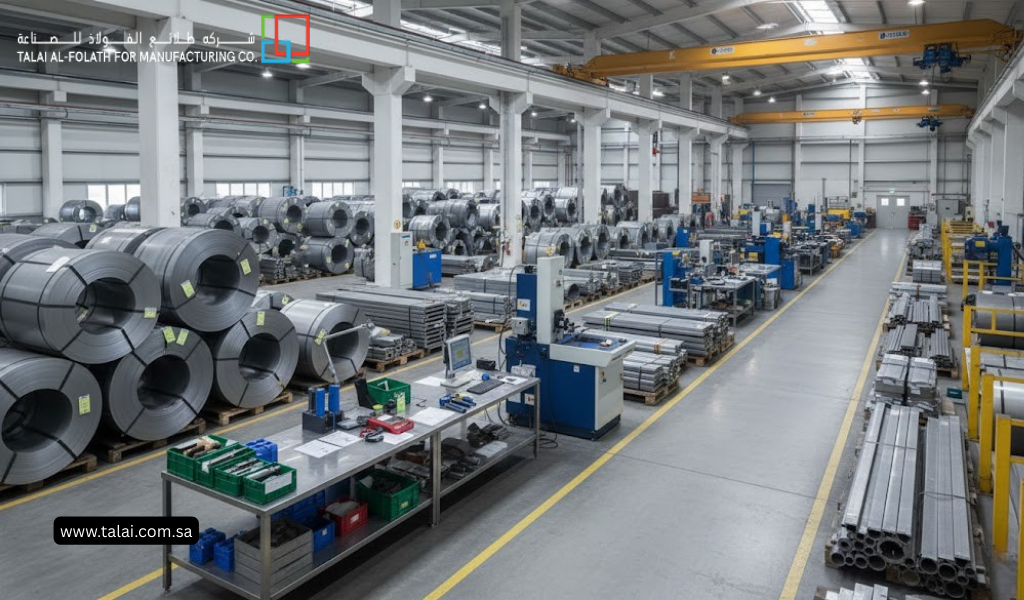
In today’s fast-moving world, metal products are everywhere. They shape the buildings we live in, the bridges we drive on, the cars we ride, and even the appliances in our homes. But not all metal products are made the same. Global markets now expect products that are consistent, safe, and precise. That’s why certified metal products manufacturers are more important than ever.
In this article, we’ll explain why certified manufacturers matter, how they influence global trade, and why working with trusted steel detailing companies can make all the difference.
What Are Certified Metal Products Manufacturers?
Certified Metal Products Manufacturers are companies that have passed strict quality tests set by international or national authorities. These certifications prove that their products meet safety, durability, and performance standards.
Common certifications include ISO, ASTM, and other regional standards depending on the country or industry. When a manufacturer is certified, it’s a signal that you can trust their products—they follow global best practices and deliver consistent quality.
Why Certification Matters in Global Markets?
1. Guarantees Product Quality
In global markets, buyers don’t want to take risks with low-quality materials. Certified manufacturers provide products that have gone through strict quality checks. This gives clients confidence that their investment is safe.
High-quality metals mean fewer structural failures, longer-lasting products, and lower maintenance costs. Whether it’s steel beams for construction or precision metal parts for machinery, certification ensures the products will perform well in real-life situations.
2. Builds Trust with International Buyers
Trust is everything when you’re trading across borders. Certifications help buyers verify that manufacturers are credible and reliable.
For example, construction companies working overseas are more likely to source materials from certified manufacturers. This reduces risks and ensures compliance with local regulations, which is critical for international projects.
3. Ensures Safety Standards Are Met
Safety can’t be compromised, especially in construction, automotive, and aerospace industries. Certified manufacturers follow strict production protocols to make sure their products are strong and durable.
This protects end-users and prevents legal issues for buyers. Governments and authorities are more likely to approve projects using certified metal products.
4. Supports Sustainability
Many certified manufacturers also focus on sustainability. They adopt eco-friendly production methods, reduce waste, and source raw materials responsibly.
By choosing certified metal manufacturers, businesses can align with global sustainability standards, improve their reputation, and meet the growing demand for environmentally conscious products.
The Role of Steel Detailing Companies
When it comes to metal structures, steel detailing companies are essential. They create detailed plans and drawings for steel components to make sure everything fits perfectly during construction.
Why Steel Detailing Companies Are Important:
Accuracy in Construction: Detailed drawings reduce mistakes during fabrication and assembly, saving time and money.
Safety: Proper steel detailing ensures that bridges, buildings, and industrial structures remain strong and stable.
Efficiency: Streamlined detailing helps manufacturers produce metal parts more efficiently.
Certified manufacturers often work closely with steel detailing companies to ensure that every product meets exact specifications and global standards.
How Certification Helps in International Trade?
Certified manufacturers have a clear advantage in global markets:
Market Access: Many countries only allow imported metal products that are certified. Without certification, companies might face restrictions or higher taxes.
Competitive Edge: Certification sets manufacturers apart from competitors who are not internationally recognized.
Lower Risk: Buyers feel safer knowing certified products are less likely to fail, reducing financial and legal risks.
Consistency Worldwide: International projects require the same quality standards across countries, and certification ensures uniformity.
How to Choose the Right Certified Manufacturer?
Picking the right certified manufacturer is about more than price or proximity. Here’s what to look for:
Check Certifications
Make sure the manufacturer holds valid and recognized certifications like ISO or ASTM relevant to your market.
Review Past Work
Look at their project history, client testimonials, and case studies to confirm their experience and reliability.
Work with Steel Detailing Companies
Ensure the manufacturer collaborates with steel detailing companies for accurate fabrication and minimal errors.
Consider Sustainability
Global markets now value eco-conscious practices. Manufacturers committed to sustainability stand out to international buyers.
Assess Communication
Clear communication, timely delivery, and technical support are critical for global projects. Choose a manufacturer who can meet these needs.
Benefits of Working with Certified Manufacturers
Reliability: Certified products are consistent and dependable.
Safety: Products meet strict safety standards.
Global Acceptance: Certifications make it easier to enter international markets.
Reduced Errors: Collaboration with steel detailing companies ensures precision.
Sustainability: Many certified manufacturers follow environmentally friendly practices.
Risks of Working Without Certification
Using uncertified manufacturers comes with serious risks:
Structural Failures: Low-quality materials can compromise safety.
Legal Problems: Non-compliance with international standards can lead to fines or halted projects.
Reputation Damage: Poor-quality products can harm your brand.
Higher Costs: Errors and rework can increase project expenses.
These risks show why certification is critical for businesses competing in global markets.
Also Read – Construction Materials Suppliers in Saudi Arabia: Types, Services, and Benefits
Future Trends in Metal Manufacturing
The metal manufacturing industry is evolving. Here’s what to expect:
Digital Integration: Automation and software are improving precision in fabrication.
Eco-Friendly Materials: Demand is rising for metals produced with minimal environmental impact.
Global Standardization: More countries are adopting international certification standards.
Enhanced Collaboration: Manufacturers and steel detailing companies are working closer to optimize production and design.
Investing in certified manufacturers today positions businesses to take advantage of future opportunities.
Conclusion
Global markets for metal products are competitive. Choosing certified manufacturers is no longer optional—it’s essential for quality, safety, and sustainability.
Certified manufacturers provide reliable products, comply with international standards, and build trust worldwide. When paired with the expertise of steel detailing companies, they ensure precision, efficiency, and long-term success.
Working with certified manufacturers isn’t just about following rules—it’s about gaining a competitive edge and securing your business for the future.
FAQ’s Metal Products Manufacturers
1. What is a certified metal products manufacturer?
A certified metal products manufacturer is a company that meets international standards for quality, safety, and performance, ensuring reliability and consistency.
2. Why are steel detailing companies important?
Steel detailing companies create accurate drawings and plans for steel structures, making sure fabrication and assembly are precise, safe, and efficient.
3. Can uncertified manufacturers compete globally?
It’s very challenging. Many countries require certifications for imported metal products, giving certified manufacturers a clear advantage.
4. How do certifications support sustainability?
Certified manufacturers often follow eco-friendly production methods, reduce waste, and source materials responsibly, supporting global sustainability efforts.
5. How do I choose the right certified manufacturer?
Check certifications, past projects, collaboration with steel detailing companies, sustainability practices, and communication capabilities.