
Take a moment and look around you. Chances are, nearly everything you see has metal in it. The car you drive, the bridge you cross, the office building you work in—even the fridge in your kitchen—metals are everywhere. But producing metal products today isn’t just about making something strong and durable. The world has changed. Customers want more—they want precision, sustainability, speed, and customization.
So how are metal products manufacturers keeping up? How are they making sure they meet today’s demands without compromising on quality? The answer lies in innovation, collaboration, and smart use of technology. And at the heart of this shift are steel detailing companies, helping to connect designers, engineers, and manufacturers to create flawless projects. Let’s take a closer look.
The Market Isn’t What It Used to Be
Years ago, Metal Manufacturers could focus on producing in bulk. The goal was simple: make it strong, make it fast, make it cheap. But today, things have changed. Customers and industries want:
High precision: A tiny mistake in a steel beam or part can cost thousands—or even lives.
Sustainable solutions: People care about the environment. Recycled materials, energy efficiency, and waste reduction aren’t just trends—they’re expectations.
Tailored products: No one wants “off-the-shelf” solutions anymore. Each project is unique.
Quick delivery: Deadlines are tighter than ever. Projects can’t wait for slow production.
Technology integration: From design to production, clients expect modern, digital solutions.
For metal manufacturers, these expectations can seem like a tall order. But many are stepping up—and thriving.
Technology: The Game-Changer
One of the biggest ways manufacturers are adapting is through technology. Tools like CAD software, automation, and IoT-enabled machines are transforming how metal products are made.
Take steel detailing companies, for example. These companies create precise 3D models of steel structures before a single piece of metal is cut. This may sound technical, but here’s the simple idea: everything is planned in advance, down to the last bolt. When a project hits the construction site, there are fewer surprises, less waste, and faster assembly.
Other tech trends include:
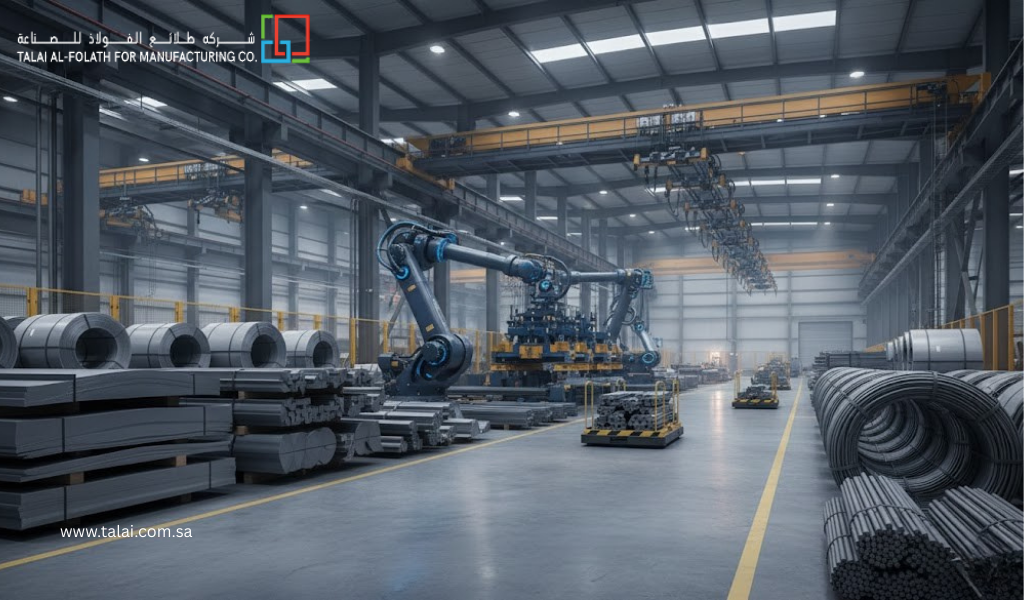
Robotics and automation: Machines handle cutting, welding, and assembly faster and more accurately.
Laser cutting: Precision that is impossible to achieve by hand.
IoT monitoring: Machines “talk” to each other and alert teams when something goes wrong.
In short, technology allows manufacturers to be faster, smarter, and more precise.
Sustainability Isn’t Optional
Environmental responsibility isn’t just good PR—it’s becoming a requirement. Clients and regulators expect greener solutions. That’s why metal manufacturers are:
Using recycled steel whenever possible.
Reducing energy consumption during production.
Cutting down on waste by planning smarter.
Using eco-friendly coatings and treatments.
Sustainability isn’t just about protecting the planet—it also saves money, reduces waste, and attracts clients who value environmentally responsible partners.
Also Read – Steel Rebar Suppliers: Key Factors That Impact Strength, Safety and Cost
Customization: Meeting Unique Needs
These days, a “one-size-fits-all” approach just doesn’t cut it. Every client, every project, and every site has its own requirements. That’s where customization comes in.
Steel detailing companies make this possible. They work closely with architects, engineers, and contractors to create detailed plans and 3D models. These plans ensure that every steel beam, joint, and bracket is made to fit the project perfectly.
Flexible production systems also help. Manufacturers can now switch between product types quickly, which means they can meet unique client needs without slowing down operations.
Quality: Never Compromising
Even with technology and customization, quality is the backbone of the industry. Poor-quality metal products can lead to accidents, delays, and financial losses.
Modern metal manufacturers are using techniques like:
Non-destructive testing (NDT): Check for flaws without damaging the product.
Real-time monitoring: Catch mistakes before they become problems.
Certifications and standards: Show clients that the product meets industry requirements.
A strong focus on quality builds trust. And in this industry, trust equals long-term relationships and repeat business.
Communication: Keeping Everyone on the Same Page
Projects fail when teams aren’t aligned. That’s why digital communication is a key part of modern manufacturing. Manufacturers are now using:
Online dashboards for clients to track their orders.
Virtual meetings to review designs and changes.
Project management tools to ensure deadlines are met.
Steel detailing companies are essential in this process. They act as the bridge between the design team, the fabrication shop, and the construction crew. Everyone sees the same plans, reducing mistakes and keeping the project on track.
Skilled Workforce: Technology Needs People
Even the most advanced machines can’t replace skilled human workers. Manufacturers are investing in their teams:
Training employees on new machines and software.
Providing certifications in steel detailing and structural design.
Encouraging collaboration between engineers, technicians, and designers.
A skilled workforce makes technology work, ensuring projects are completed efficiently and correctly.
Benefits of Adapting
Manufacturers who adapt to modern market demands enjoy:
Competitive advantage: Being innovative attracts more clients.
Global reach: Meeting international standards opens new markets.
Profitability: Efficiency, reduced waste, and customization save money.
Strong reputation: Reliable, sustainable, and precise products earn loyalty.
Adapting isn’t just about survival—it’s about growth.
Challenges Along the Way
Of course, change isn’t easy. Some challenges include:
The cost of new technology and training.
Keeping up with ever-changing safety and environmental rules.
Managing complex, customized projects.
Ensuring employees embrace new tools and ways of working.
But manufacturers that plan carefully and invest wisely can overcome these challenges—and thrive in a competitive market.
The Future of Metal Manufacturing
Looking ahead, the industry is poised for exciting changes:
Automation and AI: Machines will do more tasks, allowing humans to focus on design and strategy.
Green steel: Sustainable production methods will become standard.
Digital twins: Virtual replicas of products allow testing before production.
Better collaboration tools: Teams, clients, and contractors will be connected like never before.
Steel detailing companies will continue to be key players, providing accurate digital models that ensure smooth and efficient projects.
Conclusion
The world of metal manufacturing is evolving—and companies that embrace change will thrive. By using technology, prioritizing sustainability, offering customization, maintaining quality, improving communication, and investing in skilled workers, manufacturers can meet modern market demands with confidence.
Steel detailing companies are at the heart of this transformation, helping make projects precise, efficient, and cost-effective. Manufacturers who adapt to these changes aren’t just surviving—they’re leading the way in a competitive, global industry.
FAQ’s Related to Metal Products Manufacturers
Q1: What do steel detailing companies do?
A: They create detailed plans and 3D models of steel structures, helping manufacturers and builders produce precise, accurate components.
Q2: Why is customization important in metal manufacturing?
A: Every project is unique. Customization ensures that the product fits perfectly, reducing errors and saving time and money.
Q3: How are manufacturers improving sustainability?
A: By using recycled materials, reducing energy consumption, minimizing waste, and using eco-friendly coatings.
Q4: How does technology help metal manufacturers?
A: Technology improves speed, accuracy, and efficiency while reducing errors and costs. CAD, automation, and IoT are key tools.
Q5: Why is quality control important?
A: High-quality products ensure safety, reliability, and client satisfaction, which builds trust and strengthens reputation.