
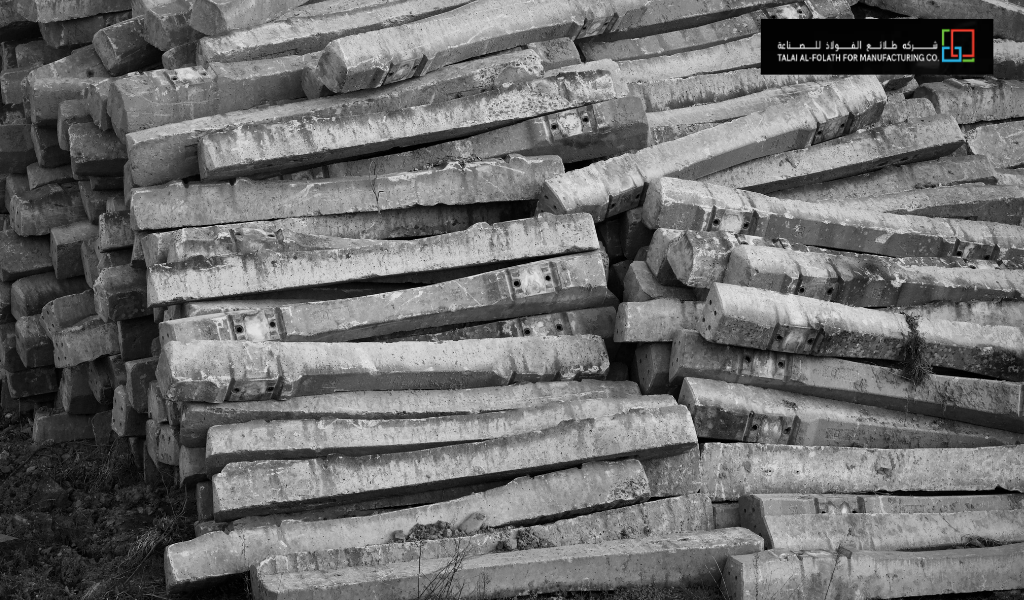
For mega-structures in Saudi Arabia, the building’s strength is below the ground. And this is where pile assembly comes into play. Commercial towers, industrial facilities, or infrastructure, proper piling in construction will ensure that your structure stays stable, durable, and safe for decades.
In KSA areas, for example, where soil cannot always be perceived by a simple soil sample (from loose sand to hard rock), building on the surface is nowhere near sufficient. For contractors, developers, and project owners, all focused on long-life and safety, this is why understanding pile assembly is so critical.
What Is Piles Assembly?
This process involves installing long, slender structural elements deep into the ground to support heavy loads, referred to as pile assembly. This is because these piles enable a structure to transfer its load from weak subsurface soil to a strong layer of soil below.
In simple terms, piling in construction is a bridge connecting your structure to the solid ground below it. The process of assembly includes selecting, positioning, driving or drilling, and aligning and distributing loads to the piles.
Depending on the project requirements, different types of piles can be selected, such as steel piles, concrete piles, and combinations of them.
Why Is Piles Assembly Important in Saudi Arabia?
Challenges in building in Saudi Arabia. As for building in Saudi Arabia, the land presents a unique set of challenges due to the varied soil conditions and extreme climate. Proper assembly of piles is essential for the following reasons:
- Weak Surface Soil Conditions
Sandy or loose soil cannot be loaded easily; however, there is also this risk in many regions in KSA. Piling is a construction method that guarantees the structure’s load is transferred onto more solid, suckered layers that are buried below the ground. - High Load Requirements
The modern foundations that will carry to the high fellowship of high-rise buildings and industrial plants. Improper pile assembly can greatly increase the risk of structural failure. - Resistance to Environmental Factors
Soil behaviour is influenced by temperature and moisture variations. A properly designed and executed pile assembly system increases sustainability and decreases long-term maintenance.
Steel Piles vs Concrete Piles: Which Is Better?
The decision on selecting steel piles or concrete piles is determined by project requirements, soil conditions, and the budget.
Steel Piles
Steel piles also have strength and can be flexible. They are best suited for foundations that go deep, as they can be well-designed to vibrate deep into hard soil layers. Additionally, they provide rapid installation, ideal for fast-track projects.
Concrete Piles
Concrete, especially precast concrete piles, is very commonly used since it can be very durable and resistant to corrosion. This is why they are often the choice for projects where long-term performance is brand critical.
Key Differences
- Steel piles offer higher tensile strength
- Concrete piles provide better resistance to environmental damage
- Steel is faster to install, while concrete is more cost-effective for large projects
A professional evaluation is always recommended to decide between steel piles and concrete piles based on specific site conditions.
Read More: Steel Rebar Coils: Benefits, Applications, and Their Role in Modern Construction
How Piles Assembly Improves Structural Stability?
Piles are a way/means of piling in the ground, and one of the biggest advantages of pile assembly is enhancing structural stability. Piling in construction: Piling in construction is used to fix the structure into Let me tell you more about piling in construction.
- Prevents uneven settlement
- Reduces the risk of cracks and structural damage
- Improves load distribution across the foundation
- Enhances safety for high-rise and heavy structures
In large-scale Saudi projects, this stability is non-negotiable, especially in commercial and industrial developments.
How Do Soil Conditions in Saudi Arabia Affect Pile Assembly?
Soil plays a major role in determining the type and depth of piles used. In KSA, common soil challenges include:
- Loose desert sand
- Saline soil conditions
- Rocky sub-layers
Each of these requires a tailored approach to pile assembly. For example, sandy soil may require deeper piles, while rocky terrain might need specialised drilling techniques.
Understanding these conditions ensures that piling in construction is done efficiently and safely, reducing future risks.
What to Look for in a Piles Assembly Partner?
If you are planning a construction project in Saudi Arabia, choosing the right piling expert is critical. Here’s what you should consider:
- Proven experience in KSA projects
- Expertise in both steel piles and concrete piles
- Use of advanced equipment and techniques
- Compliance with safety and quality standards
- Ability to handle complex soil conditions
A reliable partner not only ensures proper pile assembly but also helps optimise costs and timelines.
Conclusion
Pile assembly is the backbone of modern constructions in Saudi Arabia. Whether for structural and geotechnical reasons or to overcome difficult soil conditions, piling in construction is instrumental to the success of any job.
So, whether you are weighing up the decision between steel piles vs concrete piles or are about to start a small or large-scale development, investing in the right piling solution can help save time, reduce risk, and improve longevity.
So if you are looking to start a project in KSA, consult experts who understand the niche and deliver high-quality, reliable piles assembly solutions that stand apart from the rest now.
FAQ’s Related to Piles Assembly
What are the common methods for concrete pile assembly?
Concrete pile assembly typically includes precast piling, cast-in-situ piling, and driven piles. The method depends on soil conditions, load requirements, and project scale.
How Piles Assembly Improves Structural Stability?
Pile assembly strengthens the foundation by transferring loads to deeper soil layers, preventing settlement and ensuring long-term structural safety.
How Soil Conditions in Saudi Arabia Affect Pile Assembly?
Soil types such as sand, clay, or rock determine the type, depth, and installation method of piles, making soil analysis a crucial step in piling in construction.
What is the difference between steel piles and concrete piles?
Steel piles are stronger and quicker to install, while concrete piles offer better durability and resistance to environmental factors.
Why is piling in construction necessary for large projects?
Piling in construction is essential for supporting heavy loads, especially in areas with weak soil, ensuring the structure remains stable and secure over time.