
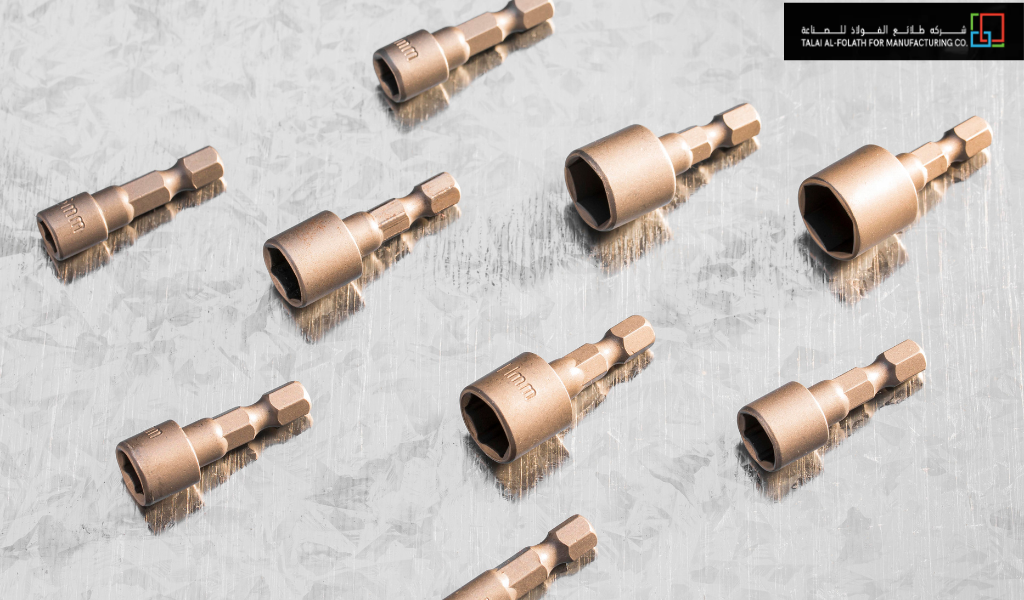
Strong connections are critical in the safety and performance of construction and industrial systems over the long term. A critical aspect of the stainless steel coupler that helps in forming secure connections. Utilization of these couplers in piping systems, reinforcement bars or heavy industrial structures guarantees durability, accuracy, and stability.
Due to the growing need for corrosion resistant materials and high strength fittings, you can also find stainless steel couplers that provide solutions in a variety of industries including construction, buildings, infrastructure and engineering projects. In this guide, we discuss uses, benefits & applications of stainless steel couplers and where it becomes a go-to choice for extreme environments.
What is a Stainless Steel Coupler?
A stainless steel coupler is a fitting or device that is used to fasten, unify or join together piping, rods or rebar. The SMR-05 is made from stainless steel for high strength and wear resistance to corrosion, pressure and environmental damage.
That couplers are often used to connect pipe portions, reinforcement bars or mechanical parts when welding or other connecting methods may not be feasible. Due to their strength and durability, they are often used in industries where reliability is crucial.
One of the most common forms is the stainless steel pipe coupler, which connects two pipe sections to maintain a continuous flow system. Another important type is the threaded stainless steel coupler, which allows quick installation through screw threading.
Key Types of Stainless Steel Couplers
Different projects require different connection solutions. Some widely used types include:
Stainless Steel Pipe Coupler
A stainless coupler is used for connecting two pipes having the same diameter. It guarantees leak-proof and joints while securing stability in plumbing, chemical pipelines and industrial systems.
Threaded Stainless Steel Coupler
Threaded coupler — with internal threads, this stainless steel coupler threads into both the pipe or threaded rod. This offers ease of installation and removal, perfect for systems where maintenance is needed.
Stainless Steel Rebar Coupler
A Stainless Steel rebar coupler is a steel connector that joins two disparate reinforcing bars within a reinforced concrete construction segment. Not only does this method mitigate structural strength but also avoids the overlapping bars.
Industrial Stainless Steel Couplings
Industrial stainless steel couplings are often used for heavy duty systems such as manufacturing plants, oil processing units and infrastructure projects. These couplers are specifically designed for high pressure, large vibrations and high loads.
Major Benefits of Stainless Steel Couplers
Excellent Corrosion Resistance
One of the main advantages of using a corrosion resistant steel coupler is its ability to withstand moisture, chemicals and harsh weather conditions. Stainless steel naturally resists rust, making it suitable for outdoor and industrial environments.
High Strength and Durability
A stainless steel coupler offers exceptional mechanical strength. This ensures reliable connections in critical infrastructure such as bridges, pipelines and large construction projects.
Easy Installation
Compared to traditional welding or complex joining techniques, couplers allow faster installation. A threaded stainless steel coupler can be installed quickly, saving time and labour costs on large projects.
Improved Structural Performance
In reinforced concrete structures, a stainless steel rebar coupler ensures direct load transfer between bars. This improves structural integrity and enhances the safety of buildings and infrastructure.
Long Service Life
Because stainless steel resists corrosion and wear, couplers made from this material provide a long operational life. This reduces maintenance requirements and lowers long term operational costs.
Read More: Why a Professional Cut and Bend Rebar Manufacturer Is Essential for Modern Construction?
Applications of Stainless Steel Couplers
Construction and Infrastructure
A stainless steel rebar coupler has become a commonly used device for connecting rebars in construction projects that include concrete buildings. This optimizes load distribution and minimizes the overlapping of bars saving on raw material and space.
Industrial Piping Systems
A stainless steel pipe coupler is widely used in industries such as oil and gas, chemical processing and water treatment plants. These couplers ensure safe and leak free pipe connections.
Manufacturing Plants
Heavy machinery and industrial systems rely on industrial stainless steel couplings to maintain strong and reliable connections between components.
Plumbing and Water Systems
Because of its corrosion resistance, a corrosion resistant steel coupler is ideal for plumbing networks and water distribution systems.
Infrastructure and Engineering Projects
Durable Reinforcement Connections: Large scale infrastructure such as bridges, highways and tunnels often need reliable connections between bonded bars. In these high load structures the use of stainless steel couplers provides a reliable solution.
Why Do Businesses Prefer Stainless Steel Couplers?
Construction and other industrial companies want reliability and efficiency. A quality stainless steel coupler delivers both.
The couplers save installation time while providing greater efficiency and structural safety. They even go well with precision connections for modern engineering design requirements.
Investing in high quality industrial stainless steel couplings can make a lasting impact on the quality and endurance of projects for firms searching for operational gains.
Choosing the Right Stainless Steel Coupler
When selecting a coupler for your project, consider the following factors:
• Material grade of stainless steel
• Load bearing capacity
• Compatibility with pipes or rebars
• Corrosion resistance requirements
• Installation method such as threaded or mechanical
Selecting the appropriate stainless steel pipe coupler or stainless steel rebar coupler allows for proper functionality as well as less future maintenance issues.
Partnering with a reliable manufacturer or supplier also ensures a stable product quality and technical support for your projects.
Conclusion
A coupler made of stainless steel is considered as an integral part of contemporary industrial or construction systems. Due to its strength, resistance to corrosion and ease of installation, it remains a popular material among engineers, contractors and manufacturers.
From connecting pipelines with a stainless steel pipe coupler to reinforcing structures using a stainless steel rebar coupler, these fittings play a vital role in maintaining safe and durable infrastructure.
Businesses that invest in high quality industrial stainless steel couplings benefit from improved efficiency, long term reliability and reduced maintenance costs. If you are planning an industrial or construction project, choosing the right corrosion resistant steel coupler can significantly improve the performance and longevity of your system.
FAQ’s Related Stainless Steel Coupler
1. What is a stainless steel coupler used for?
A stainless steel coupler is used to connect pipes, rods or reinforcement bars in construction, plumbing and industrial systems. It ensures a strong and secure connection between components.
2. Why is a stainless steel rebar coupler better than traditional overlapping?
A stainless steel rebar coupler provides direct load transfer between reinforcement bars, improves structural strength and reduces the amount of steel required in construction.
3. Where are stainless steel pipe couplers commonly used?
Stainless steel pipe couplers are widely used in plumbing systems, industrial pipelines, chemical plants, water treatment facilities and oil processing industries.
4. Are stainless steel couplers resistant to corrosion?
Yes, a corrosion resistant steel coupler made from stainless steel offers excellent protection against rust, moisture and harsh environmental conditions, making it ideal for long term use.