
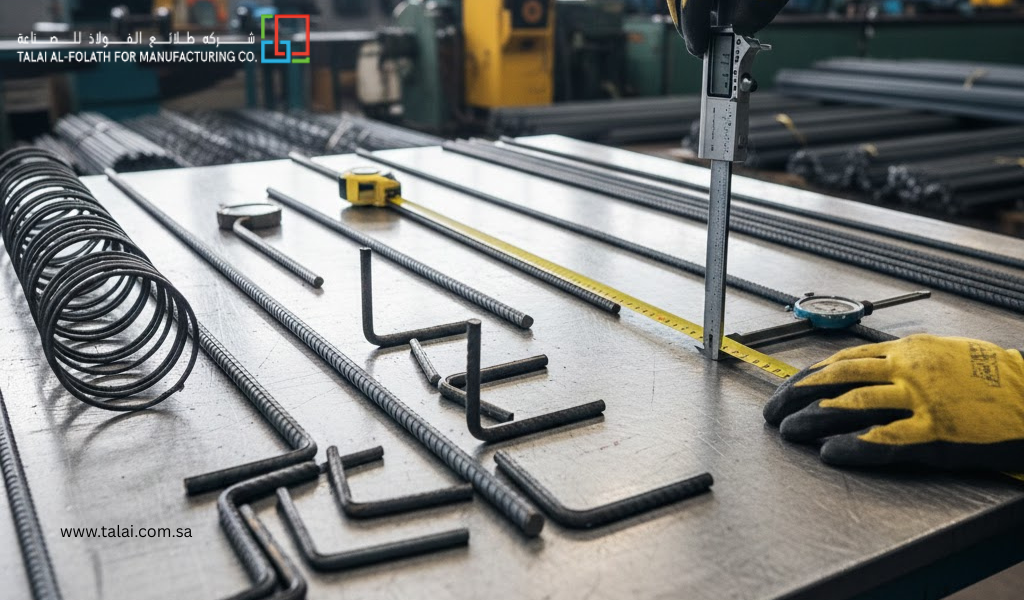
In Saudi Arabia’s booming construction sector, strong foundations begin with quality materials. One of the most important elements in any concrete structure is cut and bend rebar — the pre-shaped steel bars that reinforce buildings, bridges, and infrastructure projects.
But not all rebar is made equal. The quality of your cut and bend steel supply can directly affect the strength, safety, and lifespan of your construction work. So, how can you be sure that the steel you’re using meets the highest standards?
Let’s explore how to ensure quality in your cut and bend rebar supply, from choosing the right manufacturer to checking every detail before it reaches your site.
Know What Cut and Bend Rebar Is
Before diving into quality checks, it helps to understand what cut and bend rebar actually means.
Rebar, short for reinforcing bar, is a steel rod used to strengthen concrete. When we talk about cut and bend steel, we’re referring to rebar that has already been precisely cut and shaped according to the engineer’s design drawings.
Using prefabricated rebar saves time on site, reduces labour costs, and improves accuracy. However, because it’s pre-cut and shaped off-site, any mistake during production can lead to structural problems later. That’s why maintaining strict quality control from start to finish is essential.
Work with a Reliable Manufacturer
The easiest way to ensure quality is to partner with a reputable Cut and Bend Rebar Manufacturer.
When you’re selecting a supplier in Saudi Arabia, take a good look at their background. How long have they been operating?
Who have they worked with? Do they follow local and international standards?
A reliable manufacturer will:
- Have proven experience in the industry.
- Hold certifications from recognised authorities such as SASO, BS, or ASTM.
- Supply rebar to well-known contractors or major projects.
Choosing the right manufacturer gives you peace of mind that your cut and bend steel will meet project requirements and safety standards.
Always Ask for Material Certificates
High-quality rebar starts with high-quality raw material. Always request Mill Test Certificates (MTCs) or material inspection reports. These documents confirm the steel’s chemical composition, strength, and compliance with standards.
If the steel is imported, make sure it meets the Saudi or international specifications for construction-grade rebar. Certified material ensures durability and reliability throughout your project.
Skipping this step might save time today but could cost you dearly if issues arise during construction.
Check Cutting and Bending Accuracy
Accuracy is everything when it comes to cut and bend steel. Each bar must be shaped precisely to fit the engineer’s drawings.
Here’s what to look for:
- Measurement consistency: Ensure the dimensions match exactly.
- Modern machinery: Automated cutting and bending machines reduce human error.
- Inspection reports: Ask for documentation showing each batch has passed quality checks.
A small inaccuracy in bending angles or lengths might seem minor, but on large projects, it can lead to major alignment problems and extra costs.
Understand the Manufacturing Process
It’s worth knowing how your supplier fabricates your rebar. A well-organised facility follows standard operating procedures for every stage of production.
Key signs of a professional setup include:
- Proper calibration of machines.
- Clearly labelled batches for traceability.
- Skilled technicians overseeing operations.
If possible, visit the plant or request a process overview. Transparency is a strong indicator of a trustworthy manufacturer.
Check Storage and Handling Conditions
Even the best steel can deteriorate if it’s stored poorly. Moisture, dust, or chemical exposure can cause corrosion before the bars even reach your site.
A quality-conscious supplier will store rebar in dry, covered areas and bundle them correctly to prevent damage. They’ll also transport them safely to maintain straightness and surface quality.
Ask about their storage and delivery practices — it’s a good way to assess how seriously they take quality control.
Look for Quality Assurance Systems
A professional cut and bend rebar manufacturer will have a dedicated quality assurance (QA) team. They perform regular tests, document results, and inspect every batch before delivery.
You can ask about:
- In-house testing: Tensile strength, bending, and elongation tests.
- Third-party inspections: Independent testing adds credibility.
- Batch tracking: Every piece of steel should be traceable to its origin.
- These checks ensure your cut and bend steel consistently meets safety and performance standards.
Confirm Local and International Compliance
In Saudi Arabia, compliance with SASO and ARAMCO standards is often mandatory for large projects. Make sure your supplier’s materials meet these or equivalent international codes.
Compliance guarantees:
- Safety in design and construction.
- Legal assurance for project approvals.
- Compatibility with other building materials.
This step isn’t just about paperwork — it’s about protecting your reputation and ensuring the long-term integrity of your project.
Pay Attention to Delivery and Reliability
Timely delivery is another sign of a reliable supplier. A high-quality manufacturer understands that delays can hold up entire construction schedules.
Choose a company with a strong logistics system, clear communication, and the ability to handle large orders efficiently. Consistent supply means consistent progress on your site.
Technical Support Matters
A good manufacturer does more than just deliver steel. They provide technical support, assist with rebar detailing, and sometimes even help interpret project drawings.
This kind of support can save you time, prevent mistakes, and ensure that your cut and bend steel fits perfectly once it arrives on-site.
Don’t Choose Based on Price Alone
It’s tempting to go with the lowest quote, but cheaper isn’t always better when it comes to rebar.
Low-cost suppliers often cut corners on materials or fabrication accuracy. Instead, look at the overall value — consistent quality, certifications, and service reliability are far more important than a small price difference.
In construction, a slight compromise on steel quality can lead to significant repair costs later.
Build Long-Term Relationships
Once you find a reliable supplier, try to build a lasting partnership. Long-term collaboration brings benefits like:
- Priority service.
- Better pricing.
- Consistent quality over multiple projects.
Suppliers who know your project requirements can anticipate your needs and ensure smoother coordination every time.
Prefer Modern, Automated Fabrication
Technology has transformed the rebar industry. Many leading Saudi suppliers now use automated cutting and bending systems for higher precision.
Automated processes eliminate guesswork, maintain accuracy across large batches, and speed up production timelines. If your supplier uses CNC or robotic bending equipment, that’s a strong indicator of reliability and consistency.
Go for Sustainable Practices
As Saudi Arabia continues its journey towards Vision 2030, sustainability in construction is becoming increasingly important.
By choosing manufacturers who follow environmentally friendly practices — such as recycling scrap steel or using energy-efficient machines — you’re contributing to a greener future while maintaining quality.
High-quality cut and bend steel naturally supports sustainability by reducing waste and optimising material use.
Inspect Before Delivery
Finally, ensure a last round of checks before the material leaves the factory. A thorough pre-delivery inspection helps confirm:
- Dimensions and bending angles are correct.
- Bars are clean and corrosion-free.
- Labels and bundles match your order.
Receiving verified material means fewer issues on-site and faster progress once installation begins.
Final Thoughts
Quality isn’t just about the strength of the steel — it’s about every step that leads to its production. From sourcing certified materials to ensuring precise cutting, bending, and storage, each detail plays a role in the final performance of your structure.
By choosing a trusted manufacturer, insisting on proper documentation, and maintaining strong communication, you can guarantee that your cut and bend steel supply meets the highest standards.
In a country like Saudi Arabia, where construction excellence shapes the skyline, ensuring quality in your rebar supply isn’t just a best practice — it’s the foundation of long-term success.
FAQs About Cut and Bend Rebar Manufacturer
- What does cut and bend steel mean?
Cut and bend steel refers to rebar that’s been pre-cut and shaped according to construction drawings, ready to be installed directly on-site.
- How do I check the quality of cut and bend rebar?
You can check quality by reviewing the supplier’s test certificates, inspecting samples, and confirming compliance with local and international standards.
- Why is using cut and bend steel better than cutting on-site?
It saves time, reduces material waste, improves accuracy, and ensures consistent quality across your project.
- What standards should rebar meet in Saudi Arabia?
Your steel should meet SASO, BS, or ASTM standards — or specific requirements if the project is under ARAMCO or other major authorities.
- How can I find a good cut and bend rebar manufacturer in Saudi Arabia?
Look for experienced manufacturers with proven certifications, advanced machinery, positive client feedback, and a solid reputation for timely delivery.